


Oaxaca: Mexico’s Culinary Capital – And Why It Is the Next Great Destination for Travellers from Europe
There are places you visit. And there are places you carry within you, long after you have returned home. Oaxaca belongs to the second category.
The city in the highland valley of the same name in southern Mexico, situated at around 1,500 metres elevation, has been an insider tip for decades among travellers seeking Mexico beyond Cancún and Chichén Itzá. Those who bring time and openness will find here one of the culturally densest travel destinations in Latin America: a UNESCO-recognised cuisine, world-class artisan mezcal, living indigenous cultures and an archaeological site that takes your breath away.
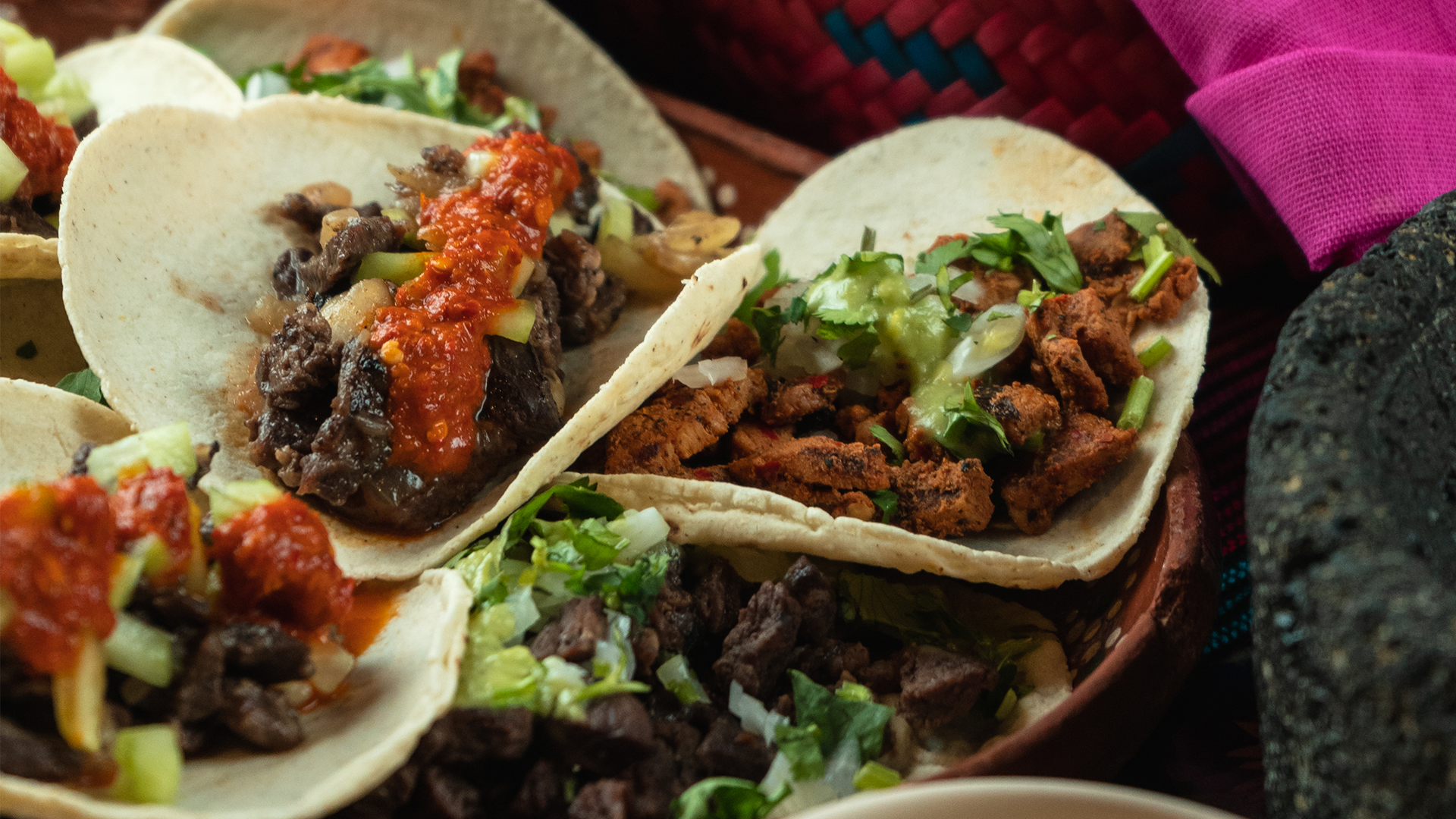
A Cuisine That Moves the World
Mexican cuisine was the first national cuisine ever to be inscribed on the UNESCO Intangible Cultural Heritage list, in 2010. Within Mexico, Oaxaca is the epicentre of that recognition – and that is largely due to the moles: Negro, Rojo, Coloradito, Amarillo, Verde, Chichilo, Manchamanteles. Seven different sauces, each with twenty to thirty ingredients, each the result of centuries of development.
| Tip: If you eat well, you will eat superbly in Oaxaca. A cooking class with a local Oaxacan woman in her courtyard – shopping at the market, cooking at midday, eating in the afternoon – is the most immersive gastronomic experience we know. |
Mezcal – More Than Tequila’s Wild Sibling
Mezcal is not a trend in Oaxaca. It is tradition – and it deserves its own explanation before you drink it. While tequila is produced exclusively from one agave variety, mezcal can be distilled from more than thirty different agave species – each with its own flavour profile, each with a maturation cycle of seven to fifty years.
In the Tlacolula Valley, one hour east of Oaxaca City, you can visit family distilleries where mezcal is still fired in clay pots over wood fires. These small facilities are called palenques. The maestro mezcalero knows his agaves by name.
Monte Albán – The Vantage Point of the Zapotecs
Eight kilometres outside Oaxaca City lies Monte Albán – UNESCO World Heritage Site since 1987. The terrain is levelled, despite standing on a mountain. Temples, a ball court, an observatory, palace complexes – all oriented so that the eye is always drawn back to the horizon. Go early in the morning – before the tour buses arrive.
The Villages of the Valles Centrales – Where Tradition Lives
Teotitlán del Valle – A village that has woven rugs for centuries with natural dyes from cochineal insects, indigo and cacti. San Bartolo Coyotepec – The village that has produced black barro negro pottery long before it appeared in design galleries. Hierve el Agua – A natural phenomenon you must see to believe: petrified water cascades down a mountainside like frozen waterfalls.
When to Go to Oaxaca?
The best time is October to April (dry season). Travelling in early November means encountering Día de Muertos – one of the most moving festivals in the world, and in Oaxaca particularly alive and visually overwhelming. In July the Guelaguetza festival takes place: a great indigenous dance celebration.
| Tip: Día de Muertos in Oaxaca: do not plan it primarily as a tourist. Those who go with a local guide experience family cemeteries and dinners to which strangers would otherwise have no access. |
Oaxaca as Part of a Mexico Round Trip
Oaxaca fits well into a round trip combining Mexico City with Chiapas and the Yucatán. A typical three-week route: Mexico City (4 nights) – Oaxaca (4–5 nights) – San Cristóbal de las Casas (3–4 nights) – Mérida (4 nights) – Tulum (2–3 nights).
FAQ
What makes Oaxaca so special as a travel destination?
Oaxaca combines within a small area a UNESCO-recognised cuisine, world-class artisan mezcal, living indigenous cultures (over 16 ethnic groups), archaeological sites such as Monte Albán and a relaxed colonial city atmosphere – without mass tourism.
What is the difference between mezcal and tequila?
Tequila is made exclusively from the Blue Weber agave and is restricted to specific regions of Mexico. Mezcal can be distilled from over 30 agave species and comes mainly from Oaxaca. In its artisanal form, mezcal is smokier, more complex and more culturally rooted.
How long should you spend in Oaxaca?
At least 4–5 days to explore the city and some of the surrounding villages. Those who want to experience Día de Muertos or Guelaguetza should plan 6–7 days.
Is Oaxaca safe for travellers from Europe?
Oaxaca City is considered one of the safest travel destinations in Mexico. The city centre, the tourist districts and the surrounding villages are easily and safely visited.
Can you visit Oaxaca as part of a short Mexico trip?
Yes. A weekend trip from Mexico City to Oaxaca is popular. The direct flight takes just under an hour. With 4 days, you can comfortably combine the city, a market, Monte Albán and a mezcal excursion.
Comments are closed